

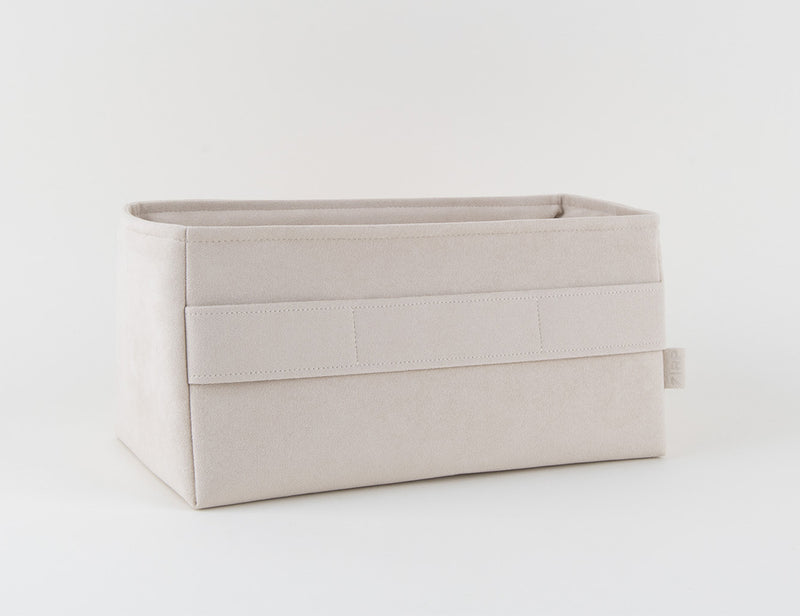
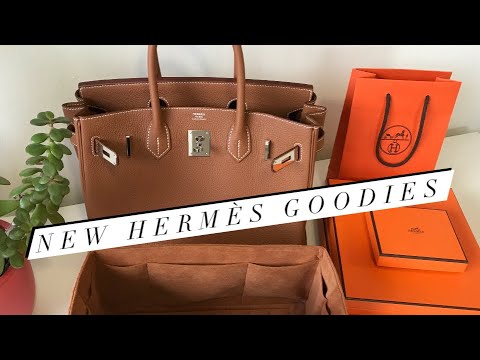
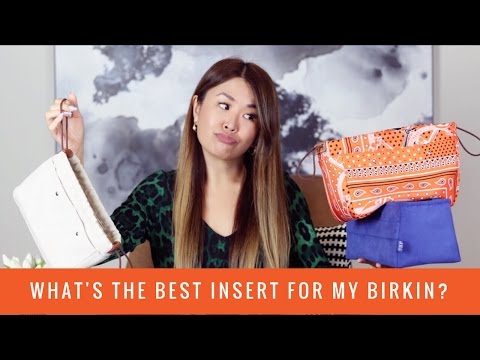
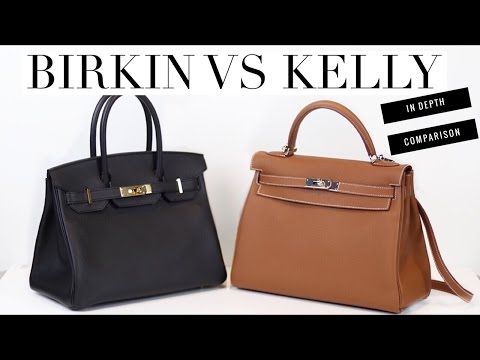
For ten years, 7RP has done one thing: protect the part of an Hermès bag no one else looks after. The inside. Where a pen bleeds into the lining and never lifts, where a lipstick opens in transit, where a bag, unsupported, slowly loses the shape it was born with. A Birkin carrying a 7RP insert makes no sound, no keys against leather, no phone against the base, but the silence is only the surface of it. The point was always protection. This year, that point turns ten.
When 7RP made its first insert in 2016, there was no category to enter. There were felt organisers from Korea, linen ones from Europe, and Hermès' own Fourbi, but nothing made by a collector, for collectors, with protection as its first principle. A decade later, the idea that an Hermès bag deserves a considered, custom-made interior is an expectation among serious collectors worldwide. 7RP did not join that conversation. It started it.
01 · Origin
A brand born from a collection, not a business plan
7RP did not begin with a market study. It began with a frustration. Marianne, whose career ran through the haute couture ateliers of Chanel and Givenchy and fifteen years of authenticating and trading Hermès on the secondary market, wanted one thing she could not find: a way to protect the interiors of her own bags that met her standards. Something cut to the exact model, soft enough never to mark the leather, and built to protect rather than merely tidy.
What existed fell short. The felt organisers were too rigid and marked softer leathers. The linen ones offered no defence against ink or cosmetics. Hermès' own Fourbi was hard to obtain, and made to move contents between bags, not to protect them. Set side by side, the gap was obvious.
So she made her own. The first 7RP insert was cut for her own Birkin 30, in Alcantara, the material Porsche, Lamborghini and Ferrari use for their interiors, chosen for its softness against leather, its resistance to liquids, and its ability to be machine-washed without losing colour or shape. Friends asked for one. Then friends of friends. Ten years later, more than 47,841 inserts have been made for collectors in 75 countries.
We simply look after what Hermès makes, with the same level of care. That hasn't changed in ten years, and it won't.
Marianne
Marianne has carried Hermès exclusively since 1991. Across thirty-five years and more than a thousand bags, she understands them the way few people do: not as objects of desire, but as living things that age, wear, and respond to how they are cared for. 7RP is the proof of that understanding.
02 · The product
The product that made the category
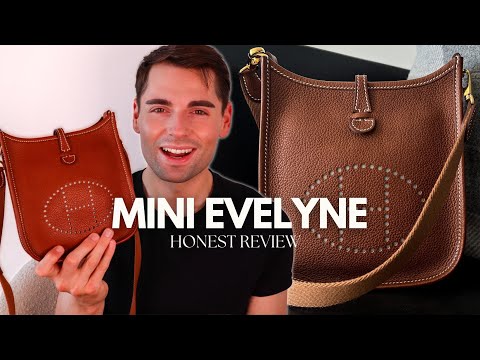
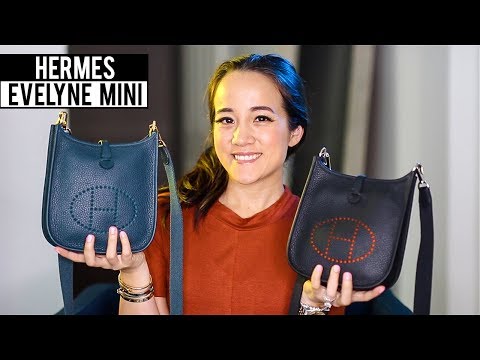
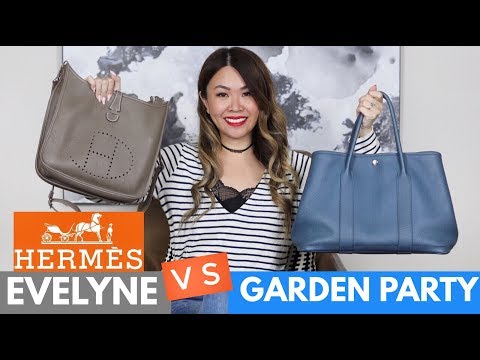
L'Insert is still made to order in 7RP's own ateliers on the French Riviera, by couturières trained in couture and maroquinerie. Four hours of handwork go into every piece. Patterns are engineered to the millimetre, to each Hermès model and to the specific construction of each. Over the decade, 7RP has built inserts for bags no one else had managed, among them the first insert ever made for the Evelyne. As Hermès releases new models, the range grows to meet them.
03 · Philosophy
A complete philosophy of care
L'Insert is the foundation of 7RP, not the whole of it. Over ten years the brand has built an ecosystem around the Hermès collector, including an authentication service drawing on Marianne's expertise (askmarianne.co). "Hermès creates with extraordinary intention," Marianne says. "We simply look after what they make, with the same level of care."
04 · The collector
Who carries 7RP
7RP's collectors are, almost without exception, serious about what they own, from the USA, Asia-Pacific and the Middle East above all. Some own one Birkin and want to keep it perfect. Most own three or more Hermès quota bags, and the top percentile keep up to a hundred as a personal archive. What unites them is not wealth but intention: a belief that beautiful things deserve to be looked after. Many have been here since the earliest years, ordering a new insert with each new bag.









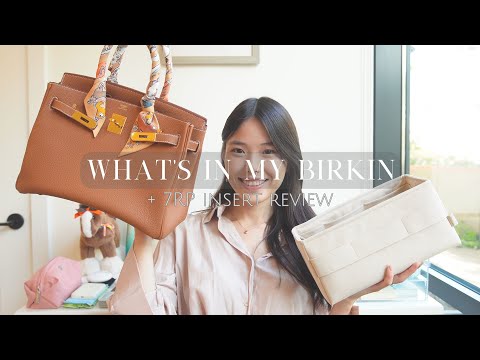
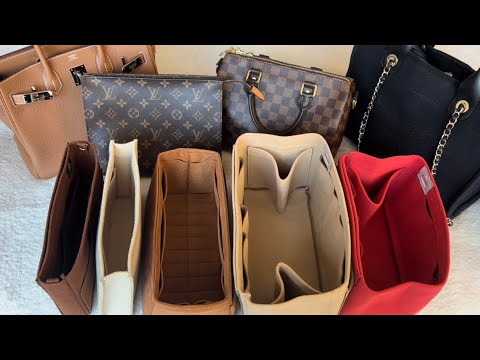
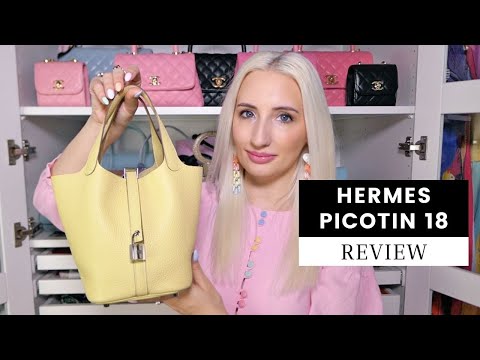







Love my inserts! Really worth the investment ❤️